The True Cost Of Living Off The Grid






Table of Contents
Table of Contents

Head of Content
Meggan McCain, Head of Content, has been a professional writer and editor for over a decade. She leads the in-house content team at Quote.com. With three years dedicated to the insurance industry, Meggan combines her editorial expertise and passion for writing to help readers better understand complex insurance topics. As a content team manager, Meggan sets the tone for excellence by guiding co...
Meggan McCain

Sr. Director of Content
Sara Routhier, Senior Director of Content, has professional experience as an educator, SEO specialist, and content marketer. She has over 10 years of experience in the insurance industry. As a researcher, data nerd, writer, and editor, she strives to curate educational, enlightening articles that provide you with the must-know facts and best-kept secrets within the overwhelming world of insurance....
Sara Routhier

Commercial Lines Coverage Specialist
Michael Vereecke is the president of Customers First Insurance Group. He has been a licensed insurance agent for over 13 years. He also carries a Commercial Lines Coverage Specialist (CLCS) Designation, providing him the expertise to spot holes in businesses’ coverage. Since 2009, he has worked with many insurance providers, giving him unique insight into the insurance market, differences i...
Michael Vereecke
Updated January 2026
Have you ever wondered what it would be like to live without having to pay for electricity, water and other services we’re so accustomed to?
Living off the grid simply means having a self-sustaining domicile that is independent of outside utilities. While “preppers” and survivalists may come to mind, for many, the goal of living off the grid is simply to live healthier and leave a smaller environmental footprint.
For example, Brad Waters, a contributing writer to Psychology Today, writes about two normal and healthy households who are doing what they can to be energy independent. These families are far removed for those who are preparing for doomsday or a zombie apocalypse.
Where does anyone begin to start to live this kind of lifestyle?
9 Hacks To Cut Your Reliance On Plastic
It Starts With Electricity
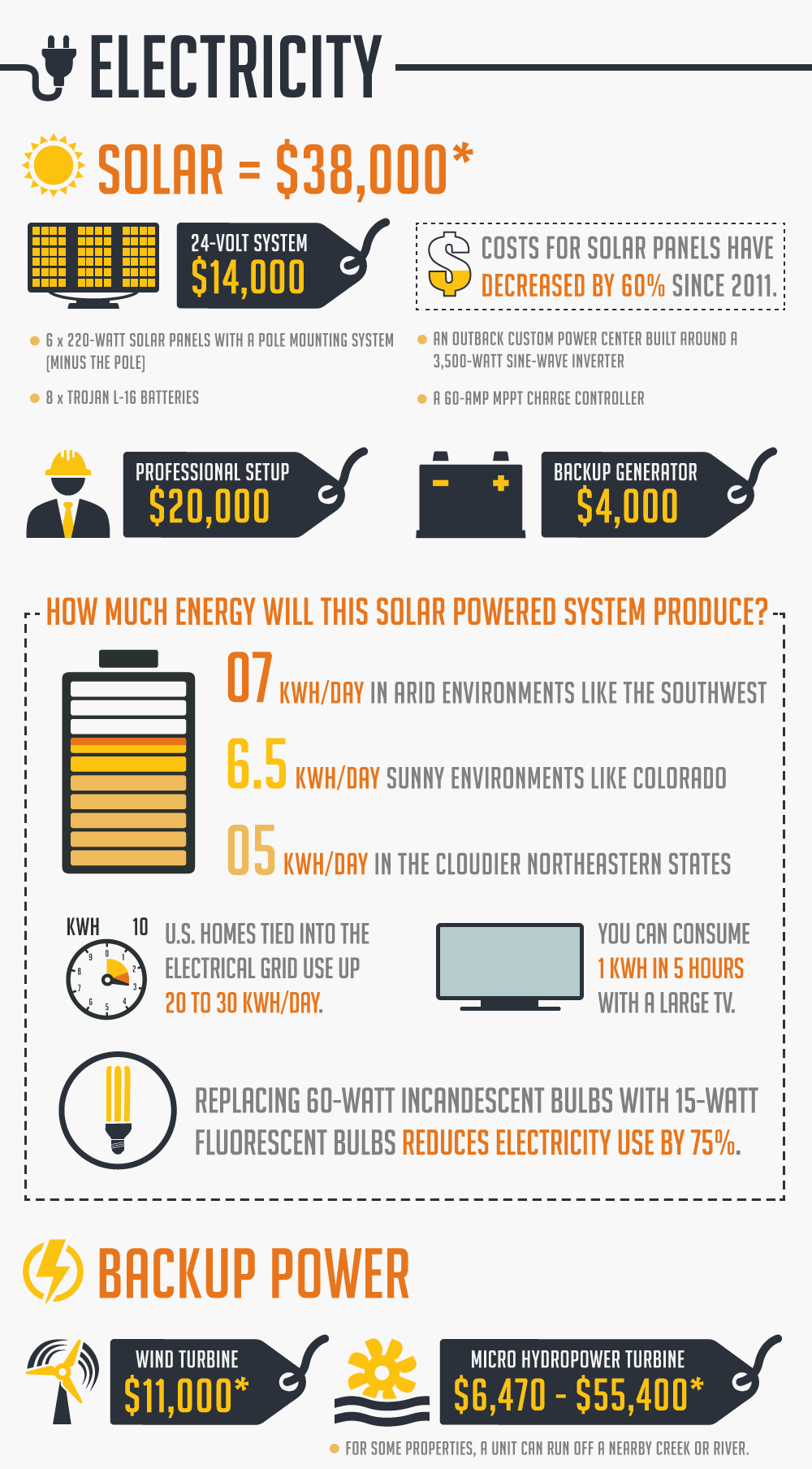
The average household in the United States spends about 54 percent of their utility bills on electricity alone. Reducing your power consumption is a logical first step to saving money on utilities, but there are also plenty of alternatives to buying electricity. You may already be familiar with them:
Solar
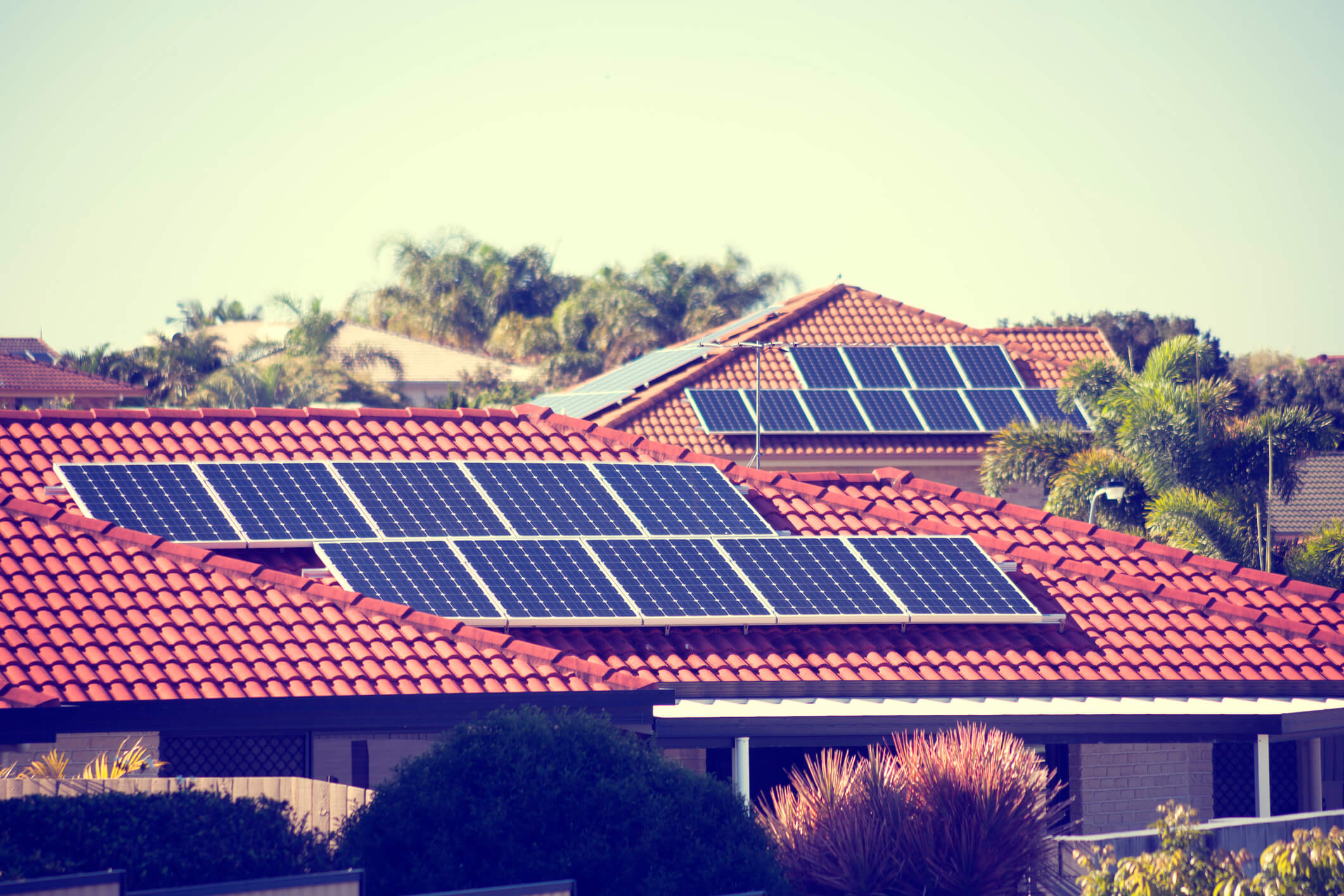
While solar power can currently only produce about 7 kilowatts of power a day (in sunny and dry environments), the technology continues to improve every year.
For a professionally installed 24-volt system including a backup generator, the total cost is estimated at $38,000. However, costs are expected to go down as solar panel use increases.
Swedish retailer Ikea now sells solar panel kits in the United Kingdom, and chances are their kits will be available in the United States soon enough.
Wind
Wind turbines might be a useful backup to solar, especially on stormy days. For the relatively low estimated cost of $11,000, it’s another investment worth considering.
Hydropower
Long before electricity, people were using water for milling grains. If you’re close to a powerful river, a water-powered generator might be a perfect option for you. The cost can range from $6,470 to $55,400.
Free Home Insurance Comparison
Compare Quotes From Top Companies and Save
Water and Septic Are A Must
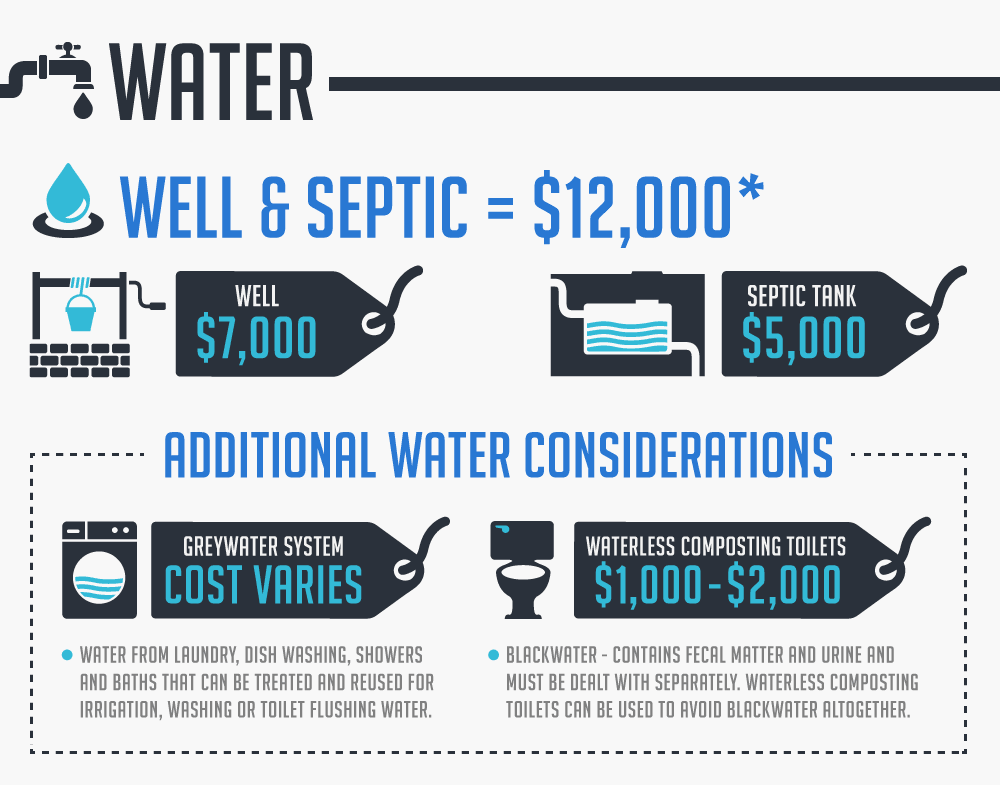
No one can live without water, so the importance of a good and clean water system is of the utmost importance.
For drinking water, digging a well is the simple solution. In fact, the Environmental Protection Agency estimates that 15 percent of Americans already use wells for their drinking water.
A simple solution for septic? Septic tanks are the tried and true method.
Combined, expect to spend about $12,000 for both. If you’re a little more adventurous, greywater systems or waterless composting toilets might be worth considering.
Independent Heat
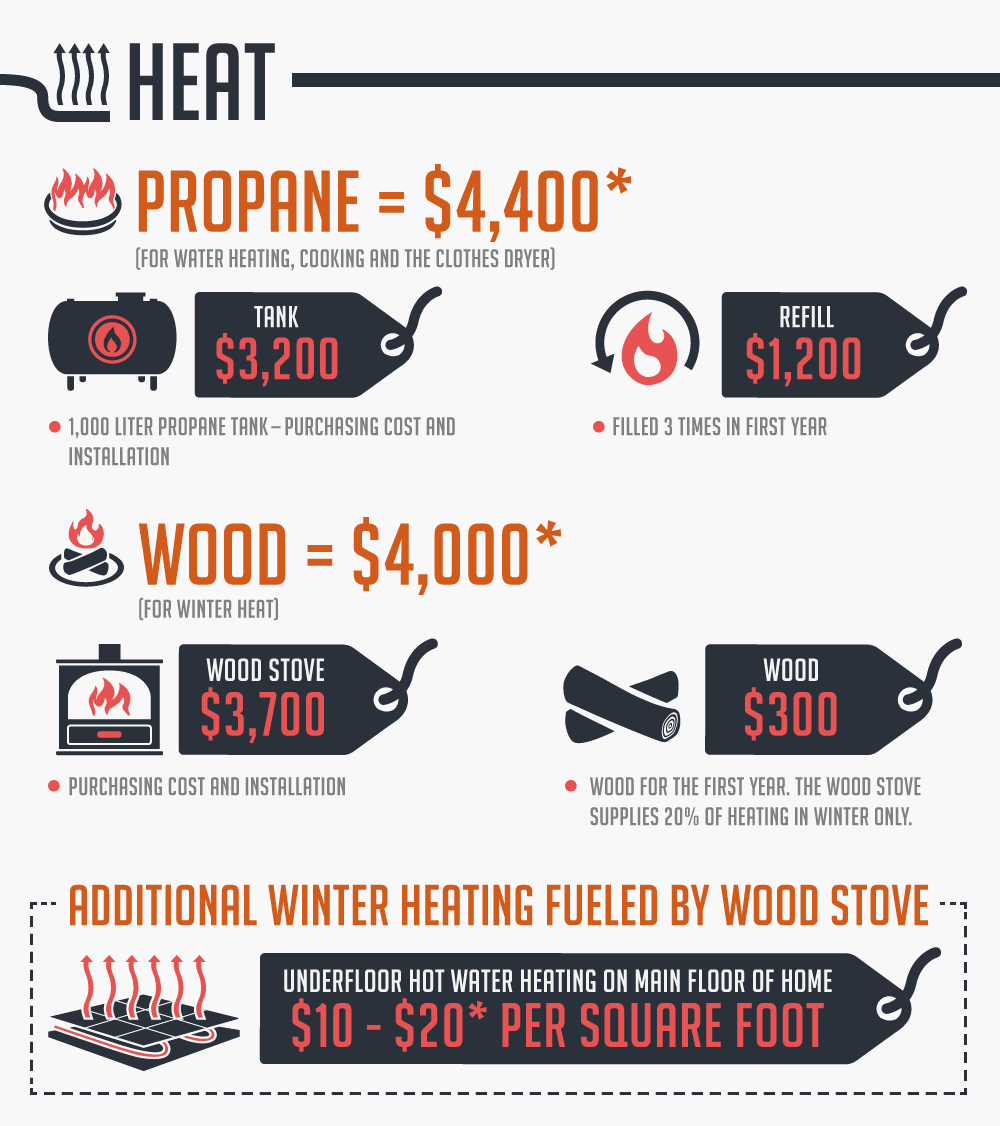
Heat is needed for more than just staying warm in winter. It’s essential for cooking, heating water and many other important tasks.
As a source of heat, wood has worked since the beginning of time, is relatively inexpensive and easy to find. A complete installation of a wood oven will run about $3,700, and a year’s worth of fuel (if purchased) will average about $300.
While this may seem like a natural option, the downsides of wood include the amount of heat produced, the space needed for storage and time needed to use it. Propane heat burns cleaner than wood, uses less space and costs about the same per a year.
Radical Off Grid Living
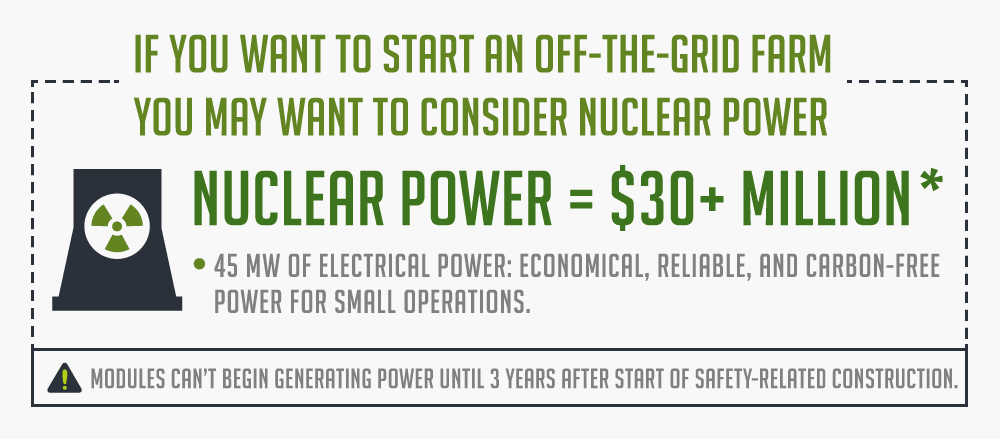
Do you have an unlimited budget, a three to five-year startup window and friends with advanced engineering degrees?
If you answered yes, your best option is the next generation of power plants – small nuclear reactors. These babies can generate up to 45mw of electricity with no need to refuel for decades at a time. And all for just under $40,000,000 (or so).
So, are you committed to sustainable living yet? Whether you’re all in or just want to save, take a look at this infographic for even more insight to off-the-grid living.
Whether you’re all-in or just want to save on your utility bills, take a look at this infographic for even more insight to off-the-grid living.
Related Articles

Get a FREE Quote in Minutes
Insurance rates change constantly — we help you stay ahead by making it easy to compare top options and save.